Cable Pulling Pit : Functions, Applications & How to Choose the Right One
Table of Contents
Toggle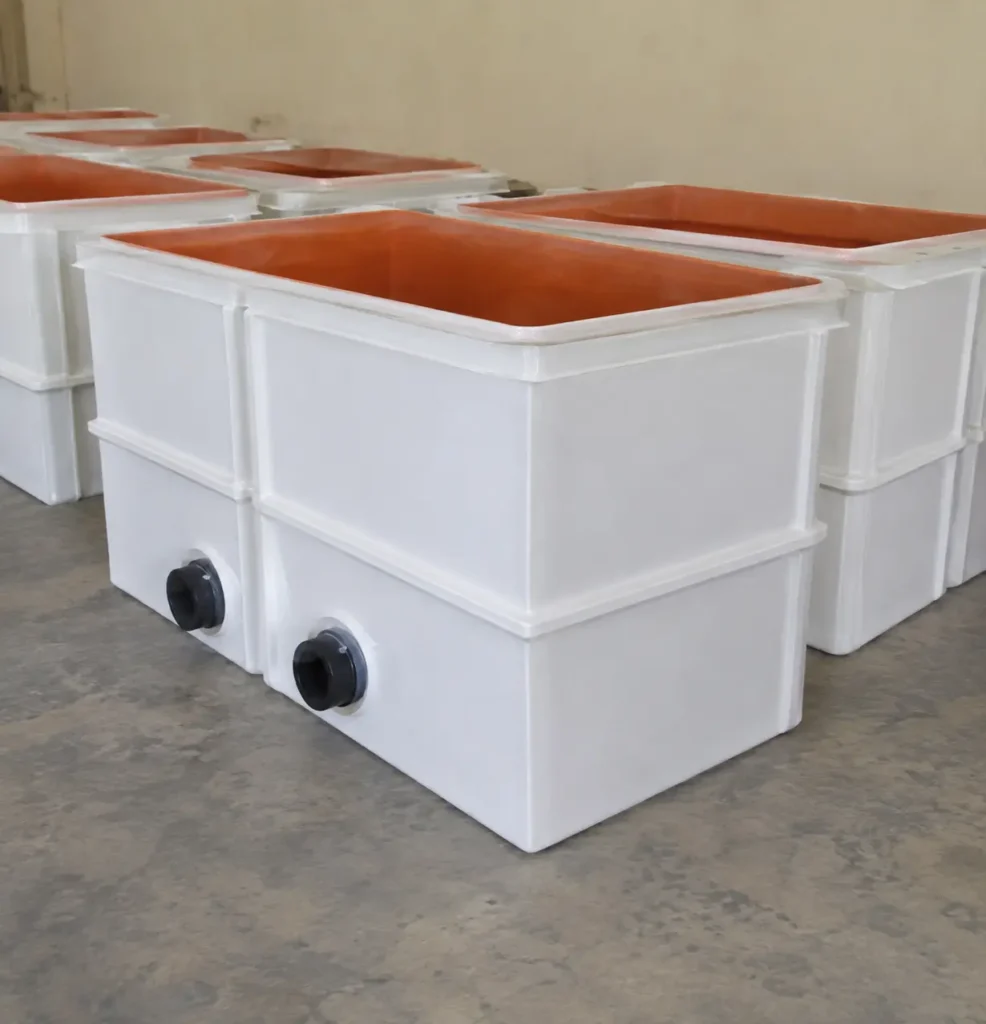
Every underground cable run has a weak point: the places where cables change direction, get joined, or need to be reached years later. A well-designed pulling pit turns those points into controlled, accessible locations rather than expensive problems. If you are planning an underground electrical pit installation, understanding how a GRP pulling pit works, and where it fits, will save you time during installation and money over the life of the network.
What Is a GRP Pulling Pit?
A GRP pulling pit (also called a fiberglass pulling pit) is a chamber installed below ground level that serves as an access and transition point in an underground cable system. It is made from glass-reinforced plastic, a composite of glass fibers and resin, which gives it high strength without the weight of concrete or the corrosion risk of metal.
In practical terms, it is the place where cable crews can pull cable through conduit, join two lengths together, change the cable route, and later return for inspection or repair, all without digging up the ground.
You may also hear it called a cable pulling pit, an underground cable chamber, or a cable access pit. The names vary by region and industry, but the job is the same.
Key Functions of a Cable Pulling Pit
-
1. Cable pulling
Long cable runs cannot usually be installed in one continuous pull. Friction builds up along the conduit, and too much pulling tension can damage the cable. A pulling pit breaks the route into manageable sections, giving crews a defined point to feed, pull, and guide cable safely. -
2. Cable jointing
When two cable lengths need to be connected, the joint needs space, protection and a clean, dry working area. A cable jointing pit gives technicians room to prepare and complete joints correctly, then protects them afterward from soil, moisture and mechanical stress. -
3. Changing direction
Cables have a minimum bending radius. Sharp turns can damage insulation and conductors. A pit lets the cable change direction gradually, within safe limits, rather than forcing a tight bend inside a conduit. -
4. Inspection and maintenance access
As a GRP inspection pit, it lets technicians check cable condition, test connections and carry out repairs without excavation. This is especially valuable for networks that must stay in service with minimal downtime. -
5. Future upgrades and expansion
Networks grow. A pit gives you a ready access point to add cables, spare ducts or new circuits later, so upgrades become routine work instead of civil works projects. -
6. Cable management and protection
Inside the pit, cables can be routed, supported and organized properly. The enclosure also shields them from ground water, soil pressure and accidental damage.
Why GRP? Material Benefits That Matter on Site
Choosing the right material affects both installation and long-term performance. Here is why many engineers specify fiberglass for an underground cable pit:
-
Corrosion resistance:
GRP does not rust, and it handles damp, chemically aggressive and saline soils far better than steel. -
Moisture resistance:
The material is non-porous, helping keep the chamber interior dry and protecting cable joints. -
High strength-to-weight ratio:
Strong enough for demanding conditions yet light enough to handle with minimal lifting equipment. -
Load capacity:
Properly specified units resist soil pressure and, with suitable covers, traffic loads. -
Easier installation:
Lighter units mean faster handling, reduced labor and lower transport costs. -
Non-conductive:
Adds a layer of safety in electrical environments.
Where Are GRP Pulling Pits Used? Common Applications
-
Power distribution networks
Utilities use an electrical cable pit along medium- and low-voltage routes to pull, join and access cables. -
Industrial plants and factories
Cable routes between buildings, substations and equipment often pass through pits that allow maintenance without disrupting operations. -
Commercial and residential developments
Large campuses, apartment complexes and business parks use them to manage power and low-voltage cabling cleanly underground. -
Roads, highways and street lighting
Pits placed along roadways provide access to lighting circuits and traffic system cabling. -
Solar and renewable energy projects
Solar farms have extensive cable networks linking panels, inverters and substations. Pits give access points across these long runs. -
Telecom and data infrastructure
Communication cable routes use similar chambers for pulling and splicing. -
Airports, ports and rail
Large infrastructure sites rely on dependable underground cable access, often in harsh or corrosive conditions where GRP performs well. -
Utility and pipeline corridors
A GRP utility pit can serve multiple services running in the same corridor.
How to Choose the Right GRP Pulling Pit (Size, Load, Cover)
-
What size do you need?
Consider cable diameter, number of cables, bending radius and working space for jointing. -
Industrial plants and factories
Cable routes between buildings, substations and equipment often pass through pits that allow maintenance without disrupting operations. -
What is the ground condition?
High water tables, clay or aggressive soils affect installation and sealing. -
How many conduit entries are needed?
Plan entry points and sizes for both current and future ducts. -
What kind of cover is required?
Cover type, locking and load rating should match the location and security needs. -
Do you need drainage?
Damp environments may need provision for drainage or sealing. -
Does it meet project standards?
Check relevant specifications and utility requirements.
How to Install a GRP Pulling Pit: Best Practices
-
Prepare a stable base
A compacted, level bed of sand or gravel prevents settlement. -
Plan the position carefully
Keep pulling tension and route length within safe limits, and make sure crews can reach the pit easily. -
Backfill in layers
Compact evenly around the pit to avoid pressure points. -
Seal conduit entries properly
This keeps out water, soil and rodents. -
Allow for future access
Keep the area above and around the pit clear of permanent obstructions. -
Consider groundwater
In high water table areas, take measures to prevent buoyancy and flooding.
Cable Pit Maintenance: Inspection Checklist
Because GRP resists corrosion and moisture, maintenance demands are modest, but a few routine checks go a long way:
- Inspect covers for damage, wear or poor seating.
- Check for water, silt or debris buildup inside the chamber.
- Confirm conduit seals are intact.
- Review cable supports and joints during scheduled inspections.
- Keep records of pit locations and contents for faster fault-finding.
GRP vs Concrete vs Steel Cable Pits: Which Is Better?
| Feature | GRP | Concrete | Steel |
|---|---|---|---|
| Corrosion resistance | Excellent | Moderate (can crack, spall) | Poor without coating |
| Weight | Light | Very heavy | Heavy |
| Installation speed | Fast | Slower, needs lifting equipment | Moderate |
| Electrical safety | Non-conductive | Moderate | Conductive |
| Maintenance | Low | Moderate | High |
Frequently Asked Questions
A pulling pit is mainly used during installation to pull cables through ducts, while an electrical inspection pit (or fiberglass inspection pit) provides access for testing and maintenance afterward. In practice, a single GRP pit often does both jobs.
Yes. Jointing pits are sized to give technicians enough working room and protect the joint once complete.
Depth depends on the cable type, voltage level, bending radius and local regulations. Your design engineer or utility standards will specify this.
Yes. Resistance to moisture and corrosion is one of its main advantages over concrete and steel.
Similar in purpose, but a pull box for underground conduit (or underground cable pull box) is usually smaller and used for lighter cabling, while a pulling pit is a larger chamber suited to heavier cables and jointing work.
Buy GRP Pulling Pits Directly from the Manufacturer
A pulling pit is a small part of the system with an outsized effect on how easy it is to install, maintain and expand an underground electrical network. Choosing a durable, corrosion-resistant GRP unit, sizing it correctly and installing it with care gives you a reliable access point for decades.
If you are planning an underground cabling project and need help selecting the right pulling pit size, load rating or configuration, get in touch with our team. We can help match the product to your site conditions and project requirements.
We are the manufacturers of GRP pulling pits
If you have a bulk order or a large project requirement, please contact us directly for pricing, availability and delivery details.